Sudden Cardiac Arrest (SCA) is a significant global cause of death, claiming one person's life every 5 seconds. Shockingly, 90% of SCA cases occur in public areas outside hospitals, leaving little time for timely first-aid, often resulting in unfortunate patient fatalities.
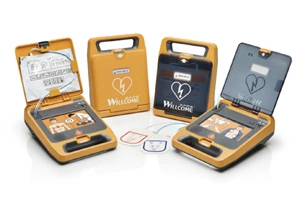
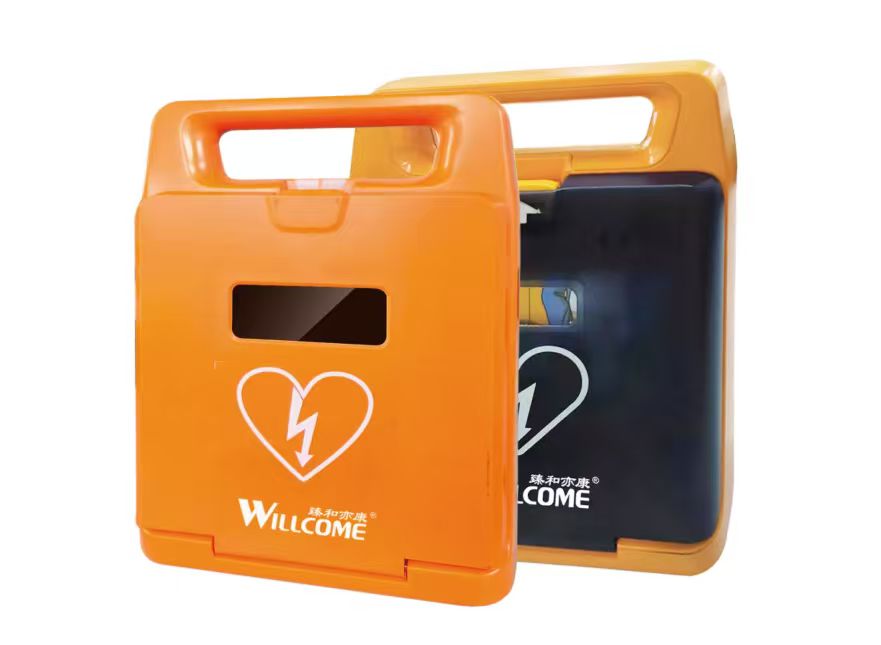
Semi-Automatic External Defibrillator (AED) is a portable medical device designed to diagnose and treat life-threatening cardiac arrhythmias, specifically ventricular fibrillation and pulseless ventricular tachycardia, which can lead to sudden cardiac arrest. The device is intended for use by both trained and untrained individuals, making it a crucial tool in public spaces, workplaces, and homes.


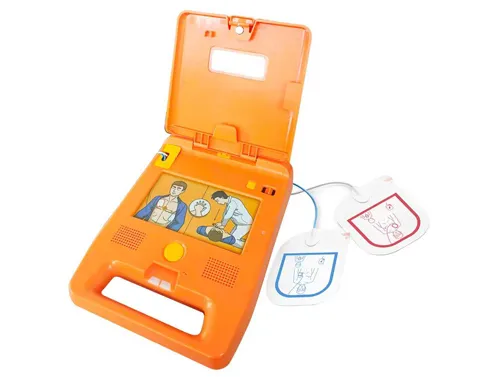
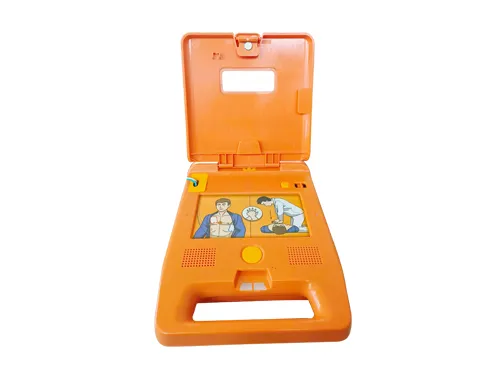
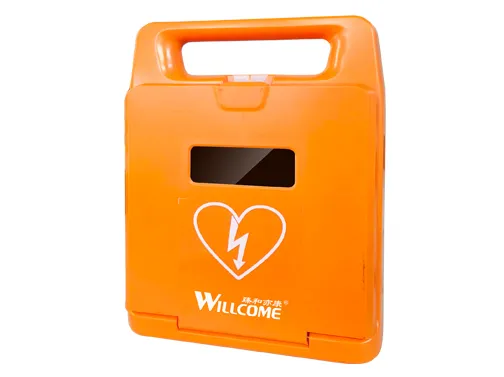


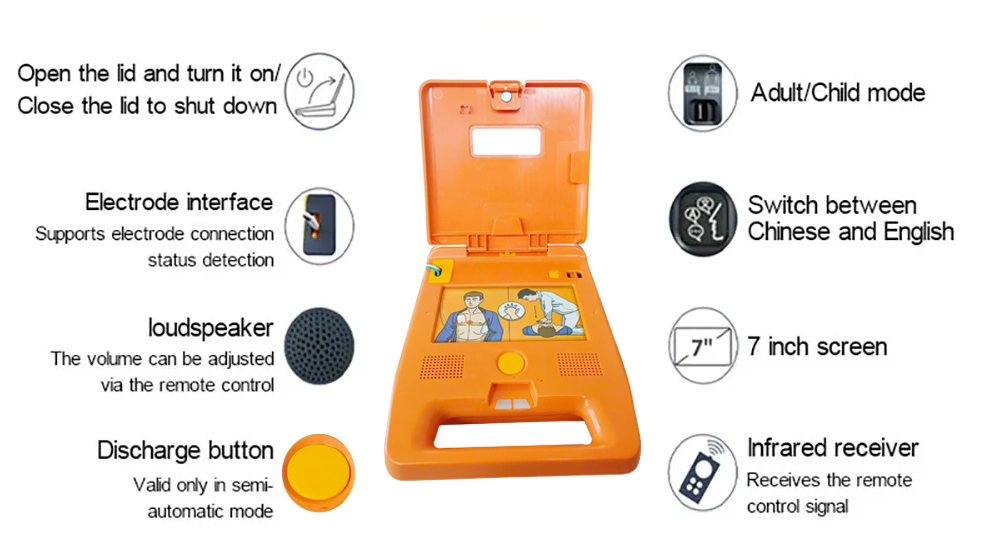
User-Friendly Interface: Semi-automatic AEDs are designed to be used by laypersons with minimal training. They typically feature clear audio and visual prompts to guide the user through the process.
Automated Analysis: The device automatically analyzes the heart rhythm of the patient to determine if a shock is needed. This reduces the need for the user to make complex decisions.
Shock Delivery: Unlike fully automatic AEDs, semi-automatic AEDs require the user to press a button to deliver the shock once the device has determined it is necessary. This adds a layer of control for the user.
Durable: The six sides of the machine can withstand the impact of 1.5 meters, and easily cope with unexpected situations such as falls and accidental falls.
Fast & Powerful: The defibrillation success rate drops in second. Thanks to the new technology that enables the first shock to be delivered in less than 8 seconds, help rescuers save every second to save lives.
Dustproof & Waterproof: IP55 dustproof and waterproof, effectively isolate dust, water damage to the machine, in the relatively harsh environment can also implement rescue.
Safety Features: These AEDs are equipped with safety mechanisms to prevent accidental shocks. The device will only allow a shock to be delivered if it detects a shockable rhythm.
Self-Testing: Many AEDs perform regular self-tests to ensure they are functioning correctly and will alert the user if maintenance is required.
Product Name | Semi-Automatic External Defibrillator | |
Model | ZH1A, ZH1B | ZH2A, ZH2B |
Color | Orange/yellow body with light black lid(ZH1A) | Orange/yellow body with light black lid(ZH2A) |
Screen Type | Without Screen, don’t display the ECG waveform(ZH1A,ZH1B) | With 7” Screen, display the ECG waveform(ZH2A, ZH2B) |
Material | PC+ABC | PC+ABC |
Weight | 2.0kg | 2.3kg |
Dimension | 210mm(W)*286mm(D)*78mm(H) | 210mm(W)*286mm(D)*78mm(H) |
Waveform | Biphasic Truncated exponential (BTe), with automated voltage and duration compensation for patient impedance | Biphasic Truncated exponential (BTe), with automated voltage and duration compensation for patient impedance |
Analysis Time | 5s | 5s |
Charge Time | 0s (as device is pre-charged during ECG analysis) | 0s (as device is pre-charged during ECG analysis) |
Max Defibrillation Energy | 360J | 360J |
Language | Chinese/English | Chinese/English |
Adult/Child | One click exchange | One click exchange |
Battery Standby(Years) | >2 | >2 |
Host Life(Years) | 8 | 8 |
Wireless Data | 4G | 4G |
Drop Protection | 1.5m | 1.5m |
Dust/Water Resistance | IP55 | IP55 |
Daily Self-Test | Yes | Yes |
Operating Temperature | -5℃〜55℃ | -5℃〜55℃ |
Battery Capacity | With new battery at 20+-5℃: >=12hrs of operating times; provides 400 shocks at 200J ( 3 shocks in 1 minute) | With new battery at 20+-5℃: >=12hrs of operating times; provides 400 shocks at 200J ( 3 shocks in 1 minute) |
Replace Battery | Min. 10 shocks at 200 J and 30 minutes | Min. 10 shocks at 200 J and 30 minutes |
Plastic (Polycarbonate or ABS):
The outer casing is usually made from high-impact, durable plastics polycarbonate and acrylonitrile butadiene styrene (ABS). These materials are chosen for their strength, impact resistance, and ability to withstand harsh environmental conditions.
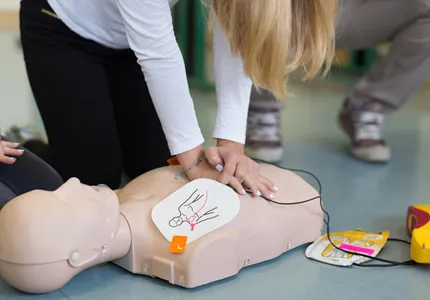
Airports, Train Stations, Parks, Concert Venues, Theaters and Shopping Malls: High foot traffic areas where quick access to an AED can save lives.
Sports Arenas and Stadiums: Locations where physical exertion can increase the risk of cardiac events.
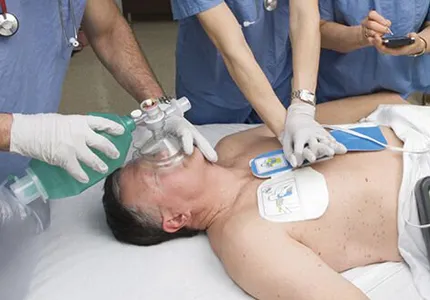
Clinics and Outpatient Centers: Medical facilities that may not have immediate access to advanced cardiac care.
Nursing Homes and Assisted Living Facilities: Places with elderly residents who may be at higher risk for cardiac events.
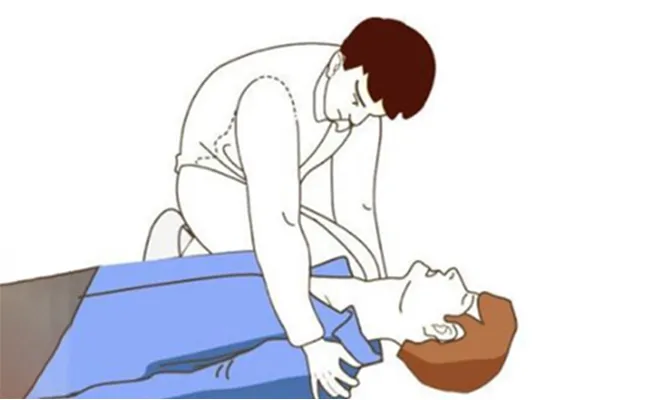
If you confirm that the patient has both of the following conditions, call the emergency medical number immediately.
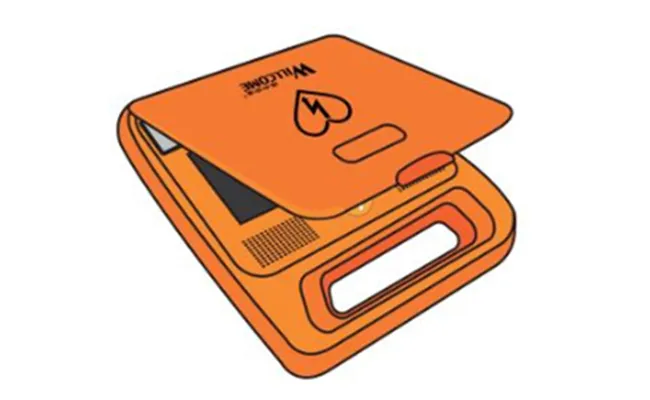
Open the cover while the power automatically turns on, voice command starts,immediately guide you how to operate the AED
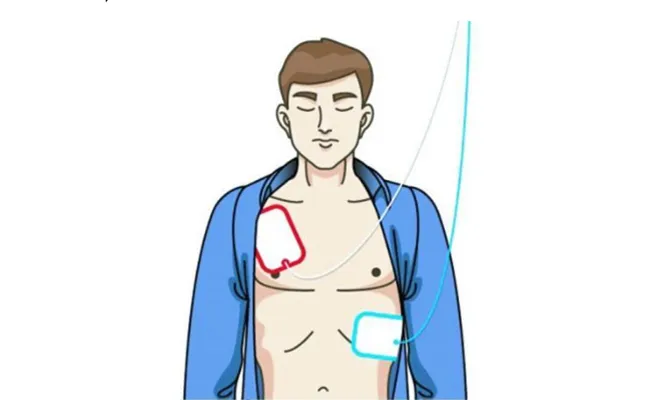
Once the electrode is attached according to the position indication on the electrode, the AED immediately begins the heart rhythm analysis.
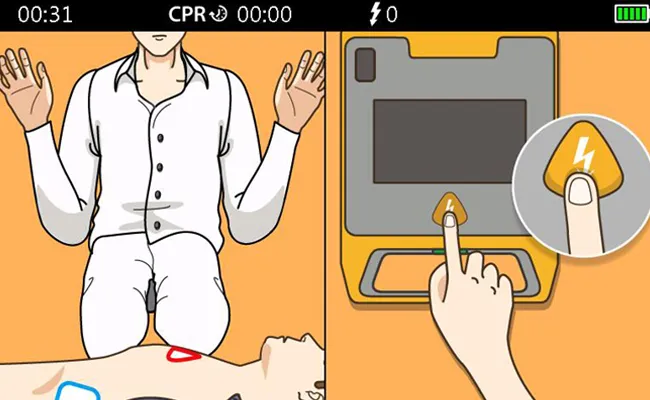
lf the AED voice prompts you to press the shock key, press the key,and the AED immediately gives the patient an electric shock.

 English
 日本語
日本語 한국어
한국어 français
 Deutsch
 Español
 русский
 português
 العربية
 ไทย
ไทย Malay
Malay